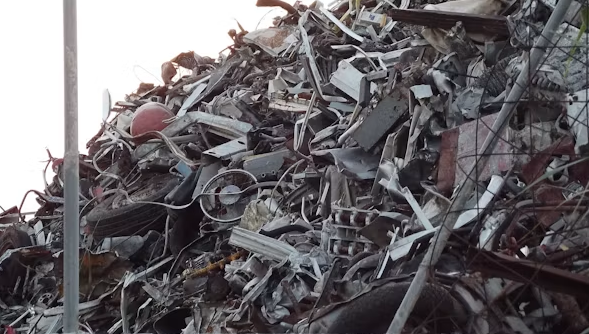
Demolition, renovation, and large-scale infrastructure projects generate far more recoverable material than most teams account for. Structural steel, copper wiring, aluminium framing, and assorted industrial metals accumulate quickly across active sites. For project managers watching margins and deadlines converge, what happens to that material after it comes down is no longer a secondary concern.
Partnering with a professional recycler who offers pick up metal recycling services brings measurable advantages to commercial and industrial project timelines. Rather than letting scrap accumulate into a site clearance headache, scheduled collections keep operations moving and turn surplus material into recovered value well before the project reaches its close-out stage.
Clearing the Site Without Losing Ground
Time Costs That Accumulate Quietly: Scrap metal left to pile up between collections creates compound problems. It occupies space needed for active work, creates trip hazards for site personnel, and attracts scrutiny from safety inspectors. Project managers who treat metal disposal as an ongoing priority, rather than a final-stage task, consistently report fewer unexpected delays and a cleaner close-out.
Processing Capabilities That Match Industrial Scale: Not every recycler has the capacity to handle the volume and variety that major projects generate. A recycler with solid infrastructure can sort, weigh, and process mixed metal loads without requiring pre-sorted deliveries. For site managers under pressure, that flexibility translates into saved labour hours and fewer disruptions to core activity.
See also: Service Robots in Daily Life
Making Sustainability Part of the Project Plan
Sustainable Business Practices That Align With Client Expectations: Construction and infrastructure clients are increasingly scrutinising environmental credentials as part of contractor selection. Building sustainable business practices into project delivery, including documented metal recycling outcomes, strengthens a contractor’s position in competitive tenders. Recycling diverts material from landfill and contributes to measurable sustainability reporting that clients now require.
Documentation and Compliance That Projects Demand: Commercial and industrial recycling partnerships often include weighbridge receipts and processing records. These documents support environmental compliance reporting and can serve as evidence in green building certification processes. For project managers under contractual obligations to demonstrate responsible waste management, that paper trail carries real weight during practical completion audits.
Resource Recovery Strategies That Change How Sites Operate
Resource Management as a Core Site Function: Treating resource management as a deliberate site function, rather than a reactive measure, shifts the economics of project delivery. Metals recovered and sold through commercial partnerships offset disposal costs that cut into margins. For longer projects, the cumulative value of consistent collections across multiple stages adds up to a meaningful financial contribution.
Scheduling That Removes Guesswork From Site Clearance: Recovery planning works best when collection schedules are locked in before site activity peaks. Booking pickups around project milestones, rather than scrambling at the end of a phase, reduces material accumulation and keeps site access unobstructed. Teams that treat recycling as a logistics function close out phases with considerably fewer complications and holdups.
What good resource recovery looks like on a commercial site:
- Scheduled collections aligned to project milestones reduce material accumulation and keep site access clear.
- Sorted loads of ferrous and non-ferrous metals attract stronger prices than mixed or unsorted deliveries.
- Weighbridge documentation at the point of collection provides accurate records for accounting and compliance purposes.
- Commercial collection services eliminate the need for project teams to arrange their own transport or secondary handling.
- Partnering early with a recycler allows collection schedules to be built into project logistics from the outset.
Why Timing and Scale Determine the Return
Volume Thresholds That Unlock Commercial Collection: Not every quantity of metal justifies a dedicated collection run. Commercial and industrial sites generating substantial volumes are well-positioned to arrange direct pickup services. Smaller quantities may not reach that threshold, but project managers can contact a recycling office directly to discuss options and arrange the most practical collection outcome.
Ferrous and Non-Ferrous Metals Carry Different Values: Structural steel, cast iron, and other ferrous materials dominate volume on most construction and demolition sites. Copper, aluminium, brass, and stainless steel represent non-ferrous streams that typically attract premium pricing. Knowing which materials are on site allows project managers to negotiate collection arrangements that accurately reflect the value of the load.
When Market Conditions Shape Collection Decisions: Metal pricing is not static, and experienced project managers factor market conditions into their recovery planning. Locking in collection partnerships early provides access to current pricing intelligence, which can influence decisions around material staging and delivery timing. A recycler with active market connections offers considerably more than a standard collection service.
Compliance Requirements That Extend Beyond the Build: Most major construction and demolition projects operate under environmental management plans that specify how waste materials, including scrap metal, must be handled. Failing to meet those requirements can trigger penalties, delay practical completion sign-off, or damage the working relationship with the principal contractor. Documented recycling activity directly addresses those risks.
Why Pre-Sorting on Site Changes the Return: Project teams that invest a small amount of effort separating metal streams before collection typically see stronger returns than those presenting mixed loads. The price difference between a sorted copper load and a mixed metals delivery can be significant, representing recovered value that requires only basic coordination and a clear material management process.
From Site Clearance to Commercial Advantage
The projects that recover the most value from scrap metal treat recycling as a planned function with defined roles, scheduled collections, and clear documentation. Building commercial recycling partnerships into site logistics from the outset delivers cleaner close-outs, stronger compliance records, and margins worth protecting. Reach out to a trusted commercial recycling partner before your next project phase begins.