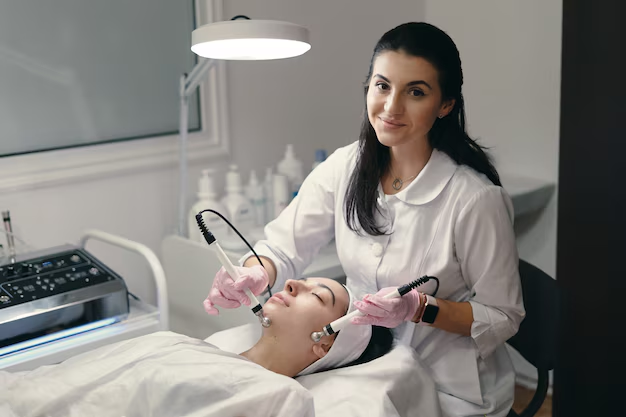
The mistake most people make when shopping for a medically supervised GLP-1 program is fixating on the medication name and ignoring who is actually reviewing their labs, compounding their dose, and answering the phone when something goes wrong. The medication is almost secondary. Quality of oversight and pharmacy transparency are the real variables.
Here are the nine programs I think are worth your time, ranked by how well they hold up on safety, pricing, and real medical accountability.
1. HealthRX
HealthRX runs a lean, physician-reviewed telehealth model with a price point that undercuts most of the field. Compounded semaglutide starts at $99 a month. Their compounded tirzepatide starts at $149. Those numbers matter because many competitors charge two to three times more for comparable compounded options.
What earns the top spot here is pharmacy transparency. Medications ship from Manifest Pharmacy in Greer, South Carolina, a 503A facility operating under USP-797 standards with lot tracking from compounding bench to your door. The pharmacy carries LegitScript certification (cert 50087439). A board-certified U.S. physician reviews your intake within roughly 24 hours, and free overnight shipping goes to all 50 states.
The clinical data HealthRX points to comes from published trials: tirzepatide showed roughly 21% body weight reduction over 72 weeks in SURMOUNT-1; semaglutide showed roughly 15% over 68 weeks in STEP 1. These are trial results, not HealthRX’s own outcomes. Compounded medications are not FDA-approved products.
Best for: Cash-pay patients who want a named, auditable pharmacy and a genuinely low monthly cost.
Honest con: Lighter ongoing monitoring compared to premium programs like Form Health.
2. FormBlends
FormBlends is a compounded GLP-1 telehealth option with physician oversight and a detail you rarely see from competitors: published per-product purity testing. They post HPLC purity percentages, mass spec identity results, and endotoxin/sterility data with named numbers. That is not standard practice in this space.
Pricing is higher than HealthRX, semaglutide around $299 per vial and tirzepatide around $349, but the transparency trade-off is real. Medications dispense through an FDA-registered 503A compounding pharmacy. One other differentiator: FormBlends carries a broad peptide catalog covering recovery, longevity, and cognitive targets under the same clinician model, so patients who want GLP-1 support plus other peptide protocols can manage it from one provider. Ships to 47 states, not all 50.
Best for: Patients who want published third-party purity documentation or who need GLP-1s alongside a wider peptide program.
Honest con: Higher entry price and slightly narrower state availability than HealthRX.
3. Mochi Health
Mochi connects patients with board-certified obesity-medicine physicians, which is a meaningful distinction. Compounded semaglutide runs about $99 a month and tirzepatide around $199. The monitoring cadence is more active than budget-tier options.
Best for: Patients who want obesity-medicine specialists rather than general practitioners.
Con: Tirzepatide pricing is higher than some alternatives.
4. Hims & Hers
After the March 2026 Novo settlement, Hims & Hers moved away from compounded GLP-1s and now sells branded medications. Injectable Wegovy is around $299 a month, oral options around $249, and Zepbound around $399. With insurance plus a savings card, costs can drop to near zero for some patients.
Best for: Patients with insurance who want a brand-name medication with a large support infrastructure.
Con: No compounded option anymore, and cash-pay prices are steep without insurance.
5. Ro Body
Ro charges roughly $39 for the first month, then $74 to $149 a month for the membership, with medications billed separately. They have a dedicated prior-authorization team, which genuinely helps with insurance claims for branded drugs.
Best for: Insured patients who need help fighting for prior auth.
Con: Medication costs are on top of membership, so total monthly spend adds up fast.
6. Henry Meds
Henry Meds is cash-pay and compounded, with first-month pricing around $179 to $249 and fast shipping (24 to 72 hours). The clinical check-ins are less frequent than what you get from Mochi or Form Health.
Best for: Patients who want quick access and simple cash pricing.
Con: Less clinical oversight for patients with complex health histories.
7. PlushCare
PlushCare offers same-day appointments via a $19.99 monthly membership and focuses on branded medications with insurance billing. It functions more like a traditional telehealth primary care platform that also prescribes GLP-1s.
Best for: Patients who already use PlushCare for general care and want to add a GLP-1 prescription.
Con: Branded-only means higher costs without good insurance.
8. Found
Found charges roughly $99 a month for platform access plus separate medication costs. It layers in coaching and behavioral tools alongside the prescription, which some patients find useful and others find redundant.
Best for: Patients who want structured coaching alongside medication.
Con: Total cost after adding meds is not always obvious upfront.
9. Form Health
Form Health is the premium option. Around $299 a month before labs and medications, with a team that includes an MD and a registered dietitian. This is the most intensive program on the list.
Best for: Patients with significant comorbidities who want the closest thing to an in-person obesity clinic.
Con: Price is a real barrier. Not built for budget-conscious shoppers.
A Quick Note Before You Decide
All compounded GLP-1 medications are not FDA-approved finished drug products. Telehealth prescribing quality varies, and the FDA sent warning letters to more than 30 telehealth and compounding firms in early 2026. Check your provider’s pharmacy credentials before you order anything.
Common Questions
Does the compounding pharmacy actually matter, or is the medication the same regardless of where it ships from?
It matters considerably. A 503A pharmacy operating under USP-797 standards with lot tracking and LegitScript certification, like the one HealthRX uses, is meaningfully different from an unverified compounder. Purity, sterility, and accurate dosing all depend on the facility. The FDA’s 2026 warning letters went to firms that cut corners on exactly these standards.
If Hims & Hers no longer offers compounded GLP-1s after the March 2026 settlement, what are the actual cash-pay alternatives?
HealthRX at $99 to $149 a month, Henry Meds at $179 to $249 for the first month, and Mochi at $99 to $199 are the main cash-pay compounded options still active on this list. FormBlends costs more but publishes purity data. None of these are FDA-approved products, so understanding that trade-off before choosing is important.
What does an obesity-medicine board certification actually add compared to a general telehealth physician prescribing the same drug?
Obesity medicine specialists complete additional training focused on metabolic disease, medication interactions specific to obesity, and long-term weight management. Mochi is the main program here that routes patients to these physicians specifically. For patients with multiple comorbidities, that specialization can change how dosing decisions and monitoring get handled.
How do I tell whether a telehealth GLP-1 program is doing real medical oversight versus just rubber-stamping an intake form?
Look for named physicians, check-in frequency beyond the initial prescription, and whether labs are required before or shortly after starting. Programs like Form Health include an MD and a registered dietitian with ongoing touchpoints. Budget programs may prescribe after a single async questionnaire with no follow-up labs, which is a real clinical gap.
Is FormBlends’ published purity testing actually independent, or does the company produce it internally?
FormBlends posts HPLC, mass spec, and endotoxin results with named numbers, which is more than most competitors share. Whether that testing is fully third-party or conducted by the dispensing pharmacy itself is worth confirming directly with the company before ordering. Published data is better than no data, but the source of the testing matters for how much weight you give it.
Sources
- FDA warning letters to telehealth and compounding firms, 2025 to 2026 (FDA.gov)
- SURMOUNT-1 tirzepatide trial, *New England Journal of Medicine*, 2022
- STEP 1 semaglutide trial, *New England Journal of Medicine*, 2021
- Novo Nordisk settlement announcement, March 9, 2026 (widely reported, Reuters and STAT News)
- LegitScript compounding pharmacy certification database (LegitScript.com)