Choosing the right culinary education path is a pivotal decision for aspiring chefs. With the rise of digital platforms, the option to pursue an Online Culinary Arts Degree is becoming increasingly popular. However, traditional culinary schools offer established methods and in-person experiences that have trained chefs for generations. This article will explore the flexibility and accessibility of online programs, the hands-on learning and networking opportunities provided by traditional schools, the financial implications of each, and the career outcomes for graduates of both paths. Aspiring chefs must weigh these factors carefully to choose the education that best fits their career aspirations.
Online Culinary Arts Degree: Flexibility and Accessibility
Online culinary programs offer unparalleled flexibility, allowing students to learn at their own pace and schedule—a significant advantage for those balancing work or family commitments. The accessibility of online learning platforms means students can participate from anywhere, eliminating geographical barriers. Furthermore, these programs often integrate modern technology to deliver interactive content, such as video tutorials and digital cooking workshops facilitated by Interactive Cooking Workshop Facilitators. This can enhance the learning experience by providing a diverse range of resources and perspectives.
Moreover, online programs often include specialized courses that focus on areas like Flavor Pairing Analysis and Nutritional Compliance Consulting, which are essential for today’s culinary professionals. This allows students to tailor their education to specific interests or industry demands, preparing them for roles such as Menu Engineering Specialists or Dietary Guideline Integration experts. The flexible nature of online learning also enables students to engage with comprehensive culinary curricula that might be unavailable locally.
Traditional Culinary Schools: Hands-On Experience and Networking
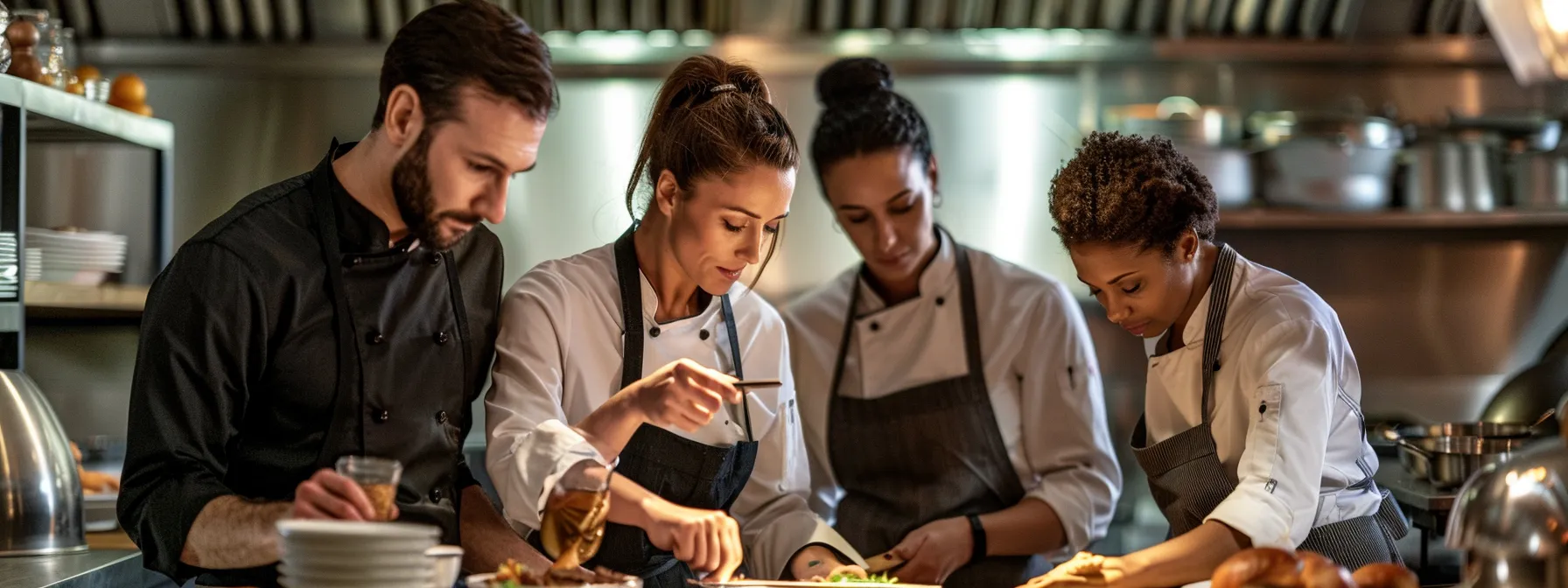
Traditional culinary schools offer the invaluable benefit of hands-on experience, often conducted in state-of-the-art Educational Food Labs. Here, students can practice cooking techniques under the guidance of experienced instructors, fostering an environment where immediate feedback is possible. This face-to-face interaction is crucial for mastering the tactile and sensory aspects of cooking, which are challenging to replicate online.
Networking opportunities are another significant advantage of attending a brick-and-mortar culinary institution. Students can connect with peers, instructors, and industry professionals, building relationships that can aid in future career endeavors. Participation in events like Tasting Panel Moderation and Food Sensory Evaluations also enriches a student’s professional network and exposure to industry standards.
Additionally, the structured environment of traditional schools often includes collaborations with local businesses and farms, providing real-world experience through programs like Farm-to-School Program Coordination. This hands-on approach can be vital for those seeking to enter fields such as Ingredient Sourcing Strategy or Microbial Safety Assessment.
Comparing Costs and Financial Considerations
Cost is a significant factor when deciding between online and traditional culinary education. Online programs typically offer lower tuition rates due to reduced overhead costs, making them an attractive option for budget-conscious students. Additionally, online students may save on commuting and relocation expenses, further reducing the overall financial burden.
However, traditional schools often offer scholarships, grants, and financial aid opportunities that can alleviate tuition costs. Furthermore, the potential for networking and internships through traditional programs can lead to early job placements, potentially offsetting initial expenses. Prospective students should consider consulting a Food Literacy Program Evaluator to understand the full financial implications of their educational choices.
Recent analysis from Niche highlights how traditional schools often have partnerships with culinary institutions that can provide financial support and job placement assistance after graduation.
Career Outcomes: Job Prospects for Online vs. Traditional Graduates
The career prospects for culinary graduates vary depending on their educational path. Online graduates may find opportunities in roles that emphasize technical skills and knowledge, such as Culinary Curriculum Development or Food Systems Education. These positions often require a solid understanding of digital tools and methodologies that online programs inherently provide.
Conversely, traditional graduates may benefit from the extensive hands-on experience and networking opportunities offered by their programs. Such graduates often pursue careers that require practical skills and personal connections, like Recipe Standardization Protocol or Interactive Cooking Workshop Facilitation. The direct experience with industry professionals can give traditional graduates a head start in competitive culinary roles.
Ultimately, both online and traditional culinary education paths can lead to successful careers. An aspiring chef should consider a comprehensive review from Chef Educator to evaluate specific job prospects and industry demands related to their chosen educational route.
Conclusion
Choosing between an Online Culinary Arts Degree and a traditional culinary school requires careful consideration of personal circumstances, career goals, and financial constraints. Each option offers distinct advantages—online programs provide flexibility and specialized knowledge while traditional schools offer hands-on experience and networking opportunities. Aspiring chefs must evaluate these factors to make an informed decision that aligns with their career aspirations and lifestyle preferences.