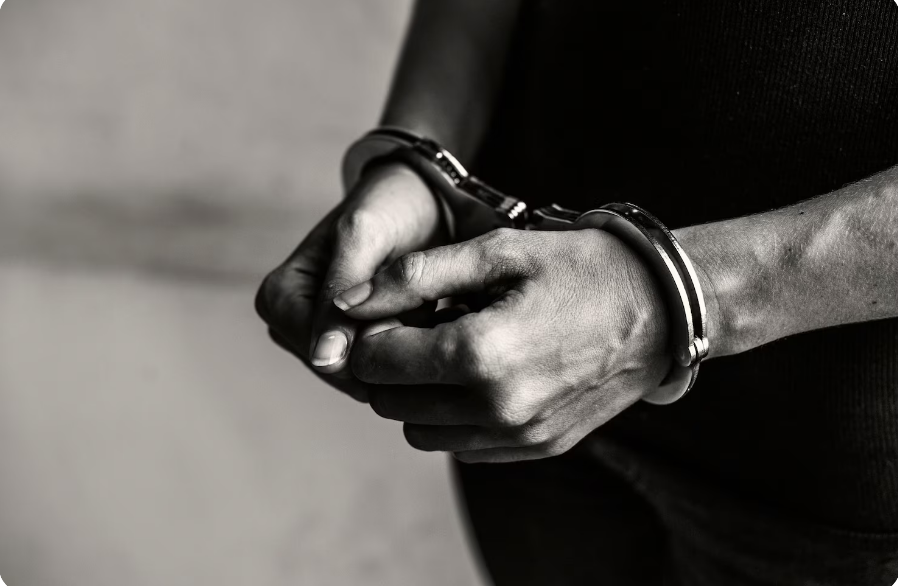
A lot of people facing criminal charges talk themselves into thinking they don’t need a lawyer. Maybe the charge looks minor. Maybe the evidence seems clear-cut. Maybe a prosecutor has hinted at something reasonable on the plea side. Sometimes it’s a money problem. And sometimes it’s just the belief that explaining things directly to a judge will work out fine. None of those calculations tend to age well. The criminal justice system wasn’t built to be navigated by non-lawyers, even on what feels like a small case, and the difference in outcome between someone with a real attorney and someone without one is much wider than most defendants realize until it’s too late to fix.
Miami is also its own kind of jurisdiction. The Miami-Dade State Attorney’s Office is one of the largest prosecutors’ offices in the country. Procedural deadlines aren’t forgiving. And the consequences of even routine charges spill into immigration status, professional licensing, housing, and employment in ways that most defendants don’t see coming until they’re already happening. A criminal defense attorney Miami residents trust isn’t reserved only for serious cases. For most charges, it’s the single decision that shapes the outcome more than any other. Understanding why makes the choice clearer.
People charged with crimes in Miami-Dade have multiple firms to weigh. Piotrowski Law Miami is one of the firms that criminal defense attorneys in Miami have worked with, handling state and federal matters from the Miami office. This article isn’t a recommendation of any particular attorney. It’s a walkthrough of why representation matters as much as it does, what unrepresented defendants often give up without realizing it, and where the actual math stands.
Self-Representation
There’s an old line in the legal world that anyone representing themselves has a fool for a client. It’s harsher than reality, but only by a little. Procedural rules in Florida’s criminal courts include specific deadlines. Specific filing requirements. Specific waivers that get triggered if you don’t object in time. Evidentiary standards most defendants don’t even know exist until they’ve already tripped one. The wrong statement at the wrong moment can cost years. A waiver signed without understanding it can cost the same. So can a plea be entered without anyone negotiating it down first?
The Innocence Project’s resource on inadequate defense points to data showing that roughly 26% of documented wrongful convictions had inadequate defense as a contributing factor. And that’s looking at cases where defendants actually had counsel of some kind. Without any representation at all, the numbers get worse because there’s no defense in place.
See also: Service Robots in Daily Life
The Right to Counsel
The Sixth Amendment guarantees criminal defendants the right to the assistance of counsel. The Library of Congress’s Constitution Annotated on Gideon v. Wainwright explains how the modern doctrine expanded that guarantee to include appointed counsel for people who can’t afford to hire their own attorney. The Supreme Court’s reasoning in Gideon was blunt: in an adversary system, anyone hauled into court who’s too poor to hire counsel cannot get a fair trial unless one is provided.
The principle is rooted in the fact that prosecution is professional work. There are police behind it. Prosecutors. Forensic analysts. Expert witnesses on call. A defendant, by themselves, up against all that machinery, is structurally outmatched, and it has nothing to do with how smart they are or how well they can talk. Right to counsel exists because the alternative is a system that produces predictable injustices.
Minor Charges Carry Major Consequences
A Florida misdemeanor can put someone in jail. First-degree misdemeanors carry up to a year in jail. A conviction on the record stays there, showing up on every employment background check from that point forward. Non-citizens face deportation consequences from convictions that defendants assumed were trivial. Anyone holding a professional license — nursing, teaching, real estate, contracting, financial services — gets a separate review from their licensing board on top of the criminal case.
Collateral consequences are the quiet crisis sitting underneath the criminal justice system. They don’t get explained at arraignment. They don’t show up in the plea offer. Defendants find out about them later, when the lost job arrives, or the lease application gets denied, or the immigration paperwork suddenly has a problem nobody warned them about.
The Public Defender System
Defendants who qualify for appointed counsel get assigned a public defender. Many of those attorneys are talented and dedicated to the work. The issue isn’t quality at the individual level. It’s caseload. Public defender offices across the country are chronically underfunded, and case counts often run two or three times the number national standards say a single lawyer can handle. The attorney assigned to your case may not have time to investigate it properly. May not have time to file every motion. May not have time for more than a brief meeting before court.
That’s not a knock on public defenders. It’s a recognition of the resource gap built into how the system actually operates. For defendants who can hire private counsel, that often produces a meaningful difference in how much attention the case ends up getting.
The Stakes Most Defendants Underestimate
When somebody is in the middle of a criminal case, the focus tends to narrow to one question: am I going to jail or not? Reality is wider than that. The case ultimately affects future employment. Housing. Relationships. Custody arrangements. Professional licenses. Travel. Immigration status, if it applies. Insurance rates. Educational opportunities. A criminal conviction is a permanent shadow on a person’s record that quietly affects all of those things for years, sometimes decades, after the original case is closed. So the decision about hiring an attorney is really the decision about how much defense you want on all those other parts of your life. Going without a lawyer is a decision to forgo legal representation. People who make that decision usually regret it later, almost always when one of the collateral consequences finally appears, and it’s too late to do anything about it.