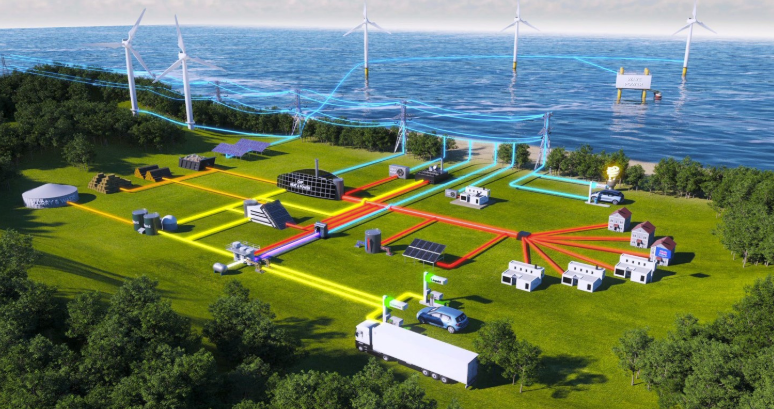
Smart energy systems in urban environments utilize IoT technology and data analytics to enhance energy management. These systems facilitate the integration of renewable energy, thereby decreasing dependence on fossil fuels. Additionally, they promote energy efficiency through informed decision-making. Community involvement is essential for shaping energy policies that reflect local needs. The interplay between technology, policy, and community engagement raises critical questions about the future of energy sustainability in cities. What strategies will emerge to address these challenges?
The Role of IoT in Smart Energy Management
How might the Internet of Things (IoT) transform energy management in urban environments?
IoT applications facilitate real-time data collection and analytics, enhancing the efficiency of smart grids. By optimizing energy distribution, cities can reduce waste and lower costs, promoting sustainable practices.
Policymakers must leverage IoT to create frameworks that support innovation, ensuring urban energy systems align with the principles of freedom and resilience.
Benefits of Renewable Energy Integration
Although the transition to renewable energy sources presents challenges, the integration of these resources into urban energy systems offers substantial benefits that can enhance sustainability and resilience.
Key advantages include cost savings through decreased reliance on fossil fuels and a significant reduction in environmental impact.
These improvements not only foster energy independence but also promote a healthier urban environment, aligning with the aspirations of freedom-seeking communities.
See also: Service Robots in Daily Life
Enhancing Energy Efficiency Through Data Analytics
As cities increasingly adopt smart energy systems, the use of data analytics becomes essential for enhancing energy efficiency.
By leveraging predictive analytics, municipalities can analyze energy consumption patterns to identify inefficiencies and optimize resource allocation.
This data-driven approach empowers policymakers to implement targeted strategies that reduce waste, lower costs, and promote sustainable practices, ultimately fostering a more resilient and liberated urban energy landscape.
Community Engagement in Smart Energy Solutions
While the implementation of smart energy solutions holds significant promise for urban sustainability, effective community engagement is crucial for their success.
Data shows that community workshops enhance citizen participation, fostering a sense of ownership and responsibility.
Policymakers must prioritize inclusive strategies that empower residents, ensuring their voices shape energy initiatives.
This participatory approach not only builds trust but also optimizes the effectiveness of smart energy systems.
Conclusion
In conclusion, smart energy systems represent a transformative approach to urban energy management, harnessing IoT technology and data analytics to enhance efficiency and integrate renewable sources. While concerns about implementation costs may arise, the long-term economic and environmental benefits far outweigh initial investments. By fostering community engagement and informed policymaking, cities can ensure that these innovations lead to sustainable energy practices, ultimately creating resilient urban environments that prioritize both ecological health and citizen welfare.