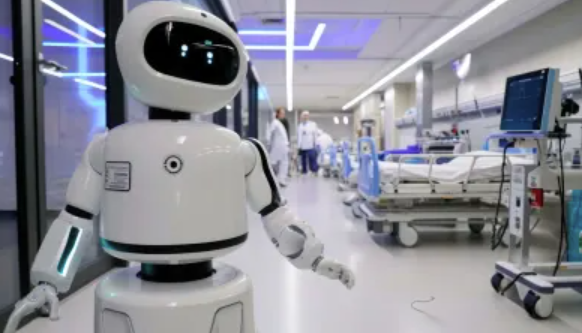
Robotics in healthcare has transformed various aspects of medical practice. Surgical robots enhance precision, facilitating minimally invasive procedures and reducing recovery times. Rehabilitation technologies, such as exoskeletons, improve mobility for individuals with disabilities. As robotics continues to evolve, its integration into patient monitoring and telemedicine offers new possibilities for personalized care. However, the implications of these advancements raise critical questions about the future role of robotics in patient care and the ethical considerations that accompany such innovations.
The Evolution of Robotics in Medicine
The evolution of robotics in medicine has significantly transformed healthcare practices over the past few decades.
Robotic assistive devices have enhanced patient mobility and independence, while automation in diagnostics streamlines processes, increasing accuracy and efficiency.
This integration of technology empowers healthcare professionals, allowing them to focus on patient care.
As robotics continues to advance, the potential for innovative solutions in medicine expands, promoting greater healthcare freedom.
Surgical Robots: Precision and Safety in the Operating Room
While surgical robots have become increasingly integrated into operating rooms, their impact on precision and safety cannot be overstated.
Robotic assisted surgeries enhance patient outcomes by minimizing invasiveness and improving surgical accuracy. These advanced systems allow surgeons to perform complex procedures with greater control, ultimately reducing recovery times and complications.
The integration of robotics represents a significant advancement in modern surgical practices.
Rehabilitation and Mobility: The Impact of Robotic Exoskeletons
Advancements in robotics extend beyond surgical applications, significantly influencing rehabilitation and mobility through the development of robotic exoskeletons.
These devices provide robotic assistance to individuals with mobility impairments, enhancing their ability to walk and engage in daily activities.
See also: argentdore
The Future of Robotics in Healthcare: Trends and Innovations
As healthcare continues to evolve, the integration of robotics is poised to redefine patient care and operational efficiency across various medical settings.
Trends indicate a significant rise in the adoption of robotic assistants, enhancing surgical precision and patient monitoring.
Furthermore, telemedicine integration is anticipated to facilitate remote robotic interventions, expanding access to healthcare while ensuring personalized care, thereby revolutionizing the future landscape of medical practice.
Conclusion
As healthcare continues its transformative journey, robotics emerges as a lighthouse guiding the industry toward uncharted territories of precision and care. The surgical robot stands as a sentinel of safety in the operating room, while exoskeletons symbolize empowerment for those constrained by physical limitations. Looking ahead, the intertwining of technology and medicine heralds a future where innovation is the heartbeat of patient care, fostering a landscape where healing and technology harmoniously coexist, illuminating the path to improved health outcomes.