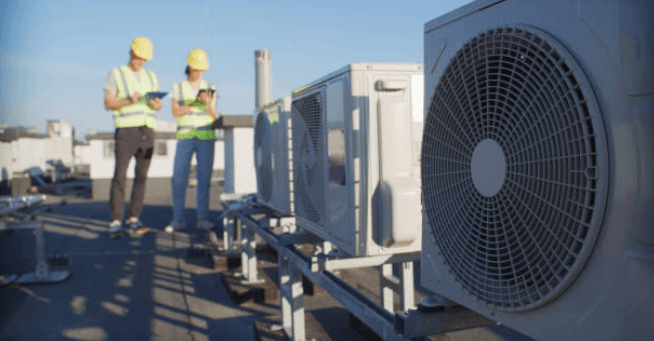
Commercial property owners often assume energy compliance rules apply only to large or complex buildings. That assumption can lead to costly oversights. Air conditioning systems exist across many property types, sometimes in subtle ways. As regulations tighten, more buildings fall within scope, and businesses begin to realise how easily compliance obligations can be missed without proper review.
For many businesses, TM44 requirements create a clear pathway to identify compliance gaps before they escalate into financial or operational risks. This clarity helps property owners understand their responsibilities and avoid last minute surprises. Acting early also allows better planning, reducing disruption and keeping cooling systems aligned with regulatory expectations and performance standards.
The Hidden Reach Across Commercial Spaces
Wide Range Of Affected Property Types: Many buildings fall under inspection rules, including offices, retail units, hotels, and even healthcare sites. These spaces often rely on cooling systems to maintain comfort and functionality. Overlooking compliance in such environments can lead to missed deadlines and unnecessary costs, especially where systems operate across multiple zones or departments.
Overlooked Systems In Smaller Units: Smaller systems often escape attention because they appear insignificant on their own. Yet when combined, they may exceed the legal threshold. This is common in mixed use buildings where several units share infrastructure. Reviewing total system capacity helps uncover risks that would otherwise remain hidden under fragmented equipment setups.
Cooling Capacity Threshold Awareness Matters: The total cooling capacity determines whether inspections are required, not just individual units. This is where cooling capacity calculations become essential. Without accurate assessments, businesses may underestimate their obligations. That miscalculation can delay compliance and lead to penalties that could have been avoided with early evaluation.
When Multiple Units Quietly Trigger Compliance
Cumulative System Impact Across Buildings: Properties with several smaller units often cross compliance thresholds without realising it. Each unit contributes to the total output, creating a combined load that meets regulatory limits. This scenario appears frequently in retail centres and office blocks where cooling systems are installed gradually over time.
Fragmented Installations Increase Risk Exposure: Over time, buildings accumulate systems from different upgrades or tenant changes. This creates a patchwork of equipment that is harder to track. Using air conditioning inspection standards helps bring consistency to evaluations, ensuring every system is accounted for and assessed within a unified compliance framework.
Why Assumptions Lead To Costly Delays: Relying on assumptions about system size or usage can delay necessary inspections. Businesses often discover compliance issues during audits or property transactions. By then, timelines become tight, and costs increase. A structured review process removes guesswork and ensures obligations are met without unnecessary pressure.
See also: How to Turn One Customer into Repeat Sales
Early Checks Create Long Term Stability
Avoiding Last Minute Compliance Pressure: Early inspections give businesses time to act without disruption. Waiting until deadlines approach often results in rushed decisions and higher service costs. Proactive checks allow smoother scheduling and better budgeting, reducing stress across teams responsible for property management and operational continuity.
Reducing Risk Of Regulatory Penalties: Non compliance can lead to financial penalties and reputational concerns. These risks grow when inspections are delayed or overlooked. Incorporating energy performance assessments into routine property reviews helps ensure compliance remains consistent, lowering the chance of enforcement actions that can disrupt business operations.
Strengthening Operational Planning Confidence: When compliance is handled early, businesses gain a clearer understanding of system performance and future requirements. This insight supports better planning for upgrades or replacements. It also improves confidence when managing multiple properties, where consistency becomes essential for maintaining efficiency and avoiding compliance gaps.
What Professional TM44 Services Now Deliver
Structured System Reviews And Reporting: Inspection providers now offer detailed evaluations that go beyond surface checks. These reviews assess system condition, efficiency, and operational patterns. The outcome is a clear report that highlights improvement areas and compliance status, helping businesses make informed decisions without relying on incomplete or outdated information.
Key Service Features Supporting Compliance:
- Full cooling capacity reviews to determine whether inspection thresholds are met.
- Accredited inspections carried out in line with UK regulatory expectations.
- Ongoing compliance tracking to monitor inspection schedules and requirements.
- Certificate lodgement services that ensure proper documentation is recorded.
Reliable Documentation For Audit Readiness: Accurate documentation supports smoother audits and property transactions. It provides evidence that systems meet required standards and have been assessed correctly. This reduces delays during compliance checks and strengthens credibility with stakeholders who expect clear proof of regulatory adherence.
Compliance Awareness Is Becoming A Competitive Advantage
Meeting Expectations From Tenants And Investors: Tenants and investors increasingly expect buildings to meet energy standards. Compliance is no longer just a legal requirement, it reflects how well a property is managed. Buildings that meet expectations are more attractive, creating better opportunities for occupancy and long term investment returns.
Reducing Waste Through Better System Visibility: Improved visibility into cooling systems allows businesses to identify inefficiencies that would otherwise go unnoticed. This leads to better energy use and reduced waste. Over time, these improvements contribute to lower operating costs and a more controlled approach to building management.
Staying Ahead In A Regulated Environment: Regulations continue to evolve, and businesses that act early stay ahead of changes. Keeping systems compliant avoids sudden disruptions and helps maintain operational stability. Those who delay often face reactive decisions that cost more and deliver less value over time.
Take Control Before Compliance Catches Up
Ignoring compliance obligations rarely saves time or money, it tends to create pressure later when options become limited. TM44 inspections provide clarity that supports better decisions and smoother operations. Booking an inspection early helps secure compliance, reduce risks, and maintain control over your property’s performance, so take action now and stay ahead of regulatory demands.