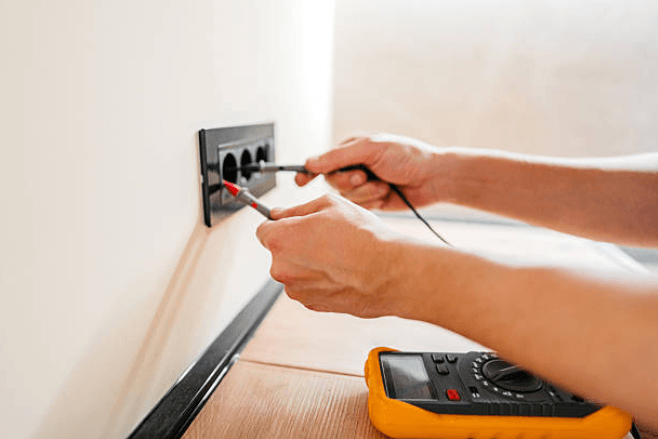
Electrical safety is often taken for granted until a fault causes disruption or risk. An EICR certificate provides a structured way to assess whether a property’s electrical systems are safe and compliant. It gives property owners and occupiers clarity, helping prevent hazards, reduce liability, and maintain a reliable electrical environment for everyday use.
For property owners seeking reliable compliance, EICR certificate London services provide a clear path to identifying risks and meeting legal duties. These inspections support landlords, businesses, and homeowners by highlighting issues early, reducing long term costs, and strengthening confidence that electrical systems meet current UK safety expectations and operational standards.
What Really Gets Checked Behind the Scenes
Detailed Wiring Assessment Insights: An EICR dives into the hidden network of cables and connections that power a property. Inspectors review wiring conditions, looking for wear, overheating signs, or outdated materials that could fail under load. This step often reveals risks that remain unnoticed during daily use, especially in older buildings.
Socket And Circuit Performance Checks: Each socket and connected circuit is examined to confirm it can safely handle electrical demand. Issues like loose connections or overloaded circuits can quietly increase fire risk. The inspection ensures safe distribution of electricity across the property using proper circuit continuity testing methods.
Lighting And Switch Functionality Review: Lighting systems are not just about visibility but also safety and efficiency. Inspectors check fittings, switches, and load distribution to confirm stable performance. Faulty lighting circuits can indicate deeper issues, often tied to insulation resistance, which plays a key role in preventing electrical leakage.
See also: Service Robots in Daily Life
How Safety Ratings Influence Real Decisions
Coding System That Signals Urgency: EICR reports classify issues into clear categories, helping property owners prioritise action. Codes indicate whether a problem is dangerous or simply requires improvement. This structured system ensures that urgent risks linked to fault protection are addressed before they escalate into serious hazards.
Impact On Letting And Business Operations: For landlords and commercial spaces, a poor EICR rating can delay occupancy or lead to legal consequences. Tenants expect safe environments, and failing to meet electrical safety standards can damage trust, disrupt operations, and increase vacancy periods in competitive London markets.
Long Term Cost Control Through Early Fixes: Acting on EICR findings reduces the likelihood of expensive emergency repairs. Small faults, when ignored, often develop into larger failures. Addressing issues related to consumer unit performance early helps maintain system stability and avoids sudden breakdowns that interrupt daily operations.
Where EICR Services Add Real Value
Professional Testing That Goes Beyond Basics: Qualified inspectors follow strict procedures to ensure every component meets regulatory expectations. Their work supports building regulations compliance, giving property stakeholders documented proof that electrical systems align with legal and safety benchmarks required across London properties.
Clear Reporting That Supports Action: EICR reports are designed to be practical, not just technical. They explain findings in a way that allows quick decisions. From identifying risks in the earthing system to suggesting corrective steps, the report acts as a roadmap for improving electrical safety without confusion.
What A Standard EICR Covers In Practice:
- Inspection of fixed wiring systems to detect visible and hidden faults.
- Testing of circuits to ensure safe load handling and proper disconnection times.
- Evaluation of fuse boards and protective devices for current safety compliance.
- Identification of potential fire risks linked to outdated or damaged installations.
- Recommendations for repairs or upgrades based on RCD testing results.
Why Delays Can Cost More Than Expected
Hidden Risks That Grow Over Time: Electrical issues rarely stay minor. A small defect today can develop into a serious hazard if ignored. Problems linked to overcurrent protection often go unnoticed until systems fail, creating safety risks that could have been prevented with timely inspection and intervention.
Legal Pressure And Compliance Gaps: Regulations around electrical safety are tightening, particularly for rental and commercial properties. Missing inspection deadlines or ignoring required upgrades tied to periodic inspection standards can lead to penalties, insurance issues, or restricted property use in regulated sectors.
The Role Of Regular Testing In Property Value
Boosting Buyer And Tenant Confidence: A valid EICR reassures buyers and tenants that the property is safe and well maintained. This confidence often influences quicker decisions and stronger offers. Properties supported by proper electrical installation condition report records tend to stand out in competitive London markets where safety expectations continue to rise.
Reducing Unexpected Financial Setbacks: Regular inspections help identify developing issues before they become expensive problems. Electrical faults can damage appliances or disrupt business operations if ignored. Maintaining compliance through scheduled checks linked to fixed wiring inspection reduces uncertainty and helps property owners plan maintenance budgets more effectively.
Moving Towards Safer Electrical Confidence
A well managed property depends on safe and reliable electrical systems that meet current expectations. An EICR provides that assurance, highlighting risks before they escalate and guiding necessary improvements. Booking a professional inspection now helps protect occupants, maintain compliance, and avoid costly disruptions later, so taking action sooner always puts you in control.