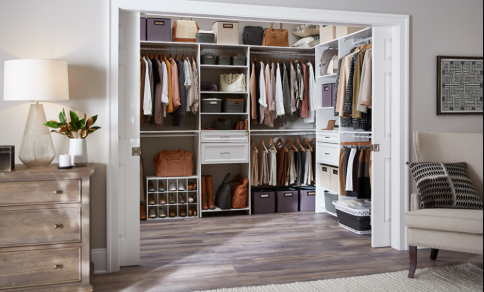
A practical approach to DIY closet organization begins with a quick inventory and a clear sense of how often items are worn. The plan then outlines modular, budget-friendly storage with adjustable shelves, removable bins, and labeled zones for visibility. Slim dividers and translucent pockets maximize space while keeping labels legible. Color cues guide retrieval and keep clutter at bay. The result is a versatile system that invites a tested, efficient overhaul, with a straightforward path to the next step.
How to Assess Your Closet Before You Organize
Before organizing, assess the closet by taking stock of what is stored, how often each item is worn, and the current layout’s strengths and weaknesses.
The process centers on assessing closet realities, not ideals, to unlock workable solutions.
A practical approach emerges from a clear pre organizing checklist, guiding decisions, reducing clutter, and enabling confident, freedom-loving performers to tailor storage to actual needs.
Budget-Friendly Storage Hacks That Work
Budget-friendly storage hacks that work focus on practical, high-impact upgrades that don’t break the bank.
The approach emphasizes modular solutions, clear organization, and accessible materials.
Budget friendly tactics include adjustable shelves, removable bins, and labeled storage.
These storage hacks promote efficiency, reduce clutter, and support freedom of choice in daily routines, while maintaining a polished closet aesthetic and cost-conscious mindset.
Space-Saving Divider and Label Ideas for Visibility
Space-saving dividers and clear labeling enhance closet visibility without bulk. The approach relies on slim panels, modular organizers, and translucent pockets that segment zones without crowding shelves. Label ideas emphasize legible typography and minimal text for quick recognition. Color accents differentiate categories, improving search efficiency. This method balances practicality with freedom, offering adaptable solutions that respect space constraints while maintaining accessible organization.
Step-by-Step Beginner’s Guide to a Quick Closet Makeover
A quick closet makeover can yield tangible results with a straightforward, results-driven approach. The guide outlines a step-by-step process for beginners, emphasizing practical actions over theory. It debunks organization myths while delivering clear, actionable tasks. Color coding basics are introduced to streamline retrieval. Minimal clutter, measured shelving, and consistent labels enable lasting freedom through efficient, purposeful storage decisions.
Frequently Asked Questions
How Often Should I Purge My Closet?
A practical guideline: purge frequency varies, typically seasonally or every six months, with a seasonal closet purge aligning items to current needs. Regular assessments reduce clutter and support freedom, ensuring only wearable, loved pieces remain.
Can I Install a Closet System Myself Without Tools?
Installing closet without tools is not feasible; a basic system requires tools or professional help. The detached observer notes that attempting DIY installation without tools compromises stability, safety, and longevity, undermining the intended functional, polished result for freedom-seeking users.
Which Fabrics Work Best for Closet Shelving?
Fabrics for shelving vary, but natural fiber options offer breathability, while synthetic blends enhance durability. For durability considerations, choose tightly woven materials, reinforce edges, and compare weight ratings to ensure shelves remain rigid and functional over time.
How Do I Prevent Dust on Stored Items?
A quiet castle of order suggests dust prevention through sealed gaps, controlled airflow, and purposeful storage container airflow. Air filters maintain cleanliness; sealing gaps minimizes intrusion, while well-ventilated containers reduce moisture, ensuring clutter remains fearless, fresh, and practically protected.
See also:Women in Crypto Industry
What’s the Best Way to Measure for Hangers?
The best way to measure for hangers is to determine measuring hanger spans and hanger clearance. It involves grading rod space, accurate widths, and margin for bulky garments, ensuring smooth access while maintaining functional, organized freedom in the closet.
Conclusion
A concise closet makeover yields instant clarity: what to keep, what to pare, and how to access it with ease. By adopting modular, budget-friendly storage and clearly labeled zones, the space becomes adaptable rather than permanent. The result is a system that invites daily use without drama. Observe how color cues guide choices, shelves adjust to evolving needs, and slim dividers prevent clutter. In short, order breeds efficiency, and efficiency fuels confidence.